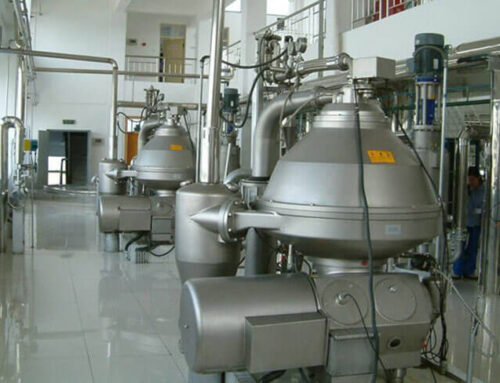
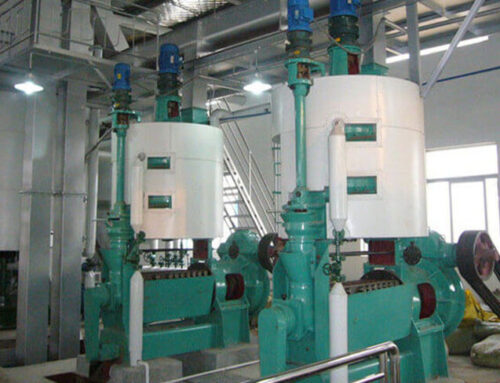
Flaxseed Linseed Oil Production Line Overview
Flaxseed oil, also known as linseed oil, is a highly nutritious oil with a high concentration of Omega-3 fatty acids. The flaxseed linseed oil production line is designed to extract oil from linseed while preserving its nutritional value efficiently. Our flaxseed linseed oil production line adopts a low-temperature cold press and physical refining technology to produce high-grade linseed oil while preserving its nutritional value efficiently, so no chemical reagents or chemical residue reagents are added during the extraction process, and the linseed oil is suitable for making excellent high-quality cooking oil, cosmetics, or pharmaceutical additives. The oil has a unique flavor, which can be widely used for cooking various foods and dishes. It has high nutritional value and health care and ensures high antioxidant activity. Our low-temperature oil press line is especially suitable for producing special linseed oils in small-batch oil mill plants.

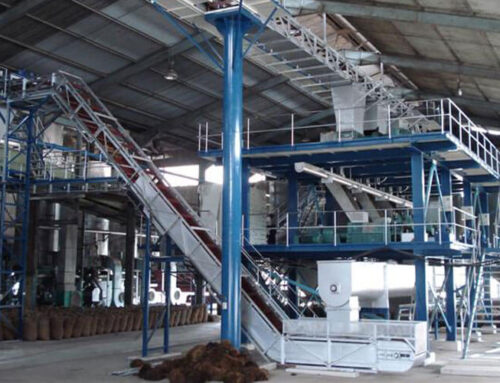
We offer complete 1 TPD to 1,000 TPD flaxseed linseed oil production lines, including linseed pretreatment, linseed oil cold press extraction plant, and linseed oil refining system. The linseed oil production lines can be customized with high intelligence and digitization. Adopts the world’s pioneering linseed dehulling, low-temperature physical pressing process, and linseed oil physical refining. The output of linseed oil is high quality with lighter color and lower acid value. Our flaxseed linseed oil production line does not require chemical refining but only needs to go through hydration degumming, activated charcoal debittering, cooling, filtration, dewaxing, etc. which avoids the effect of chemical refining processes such as alkali refining, decolorization of activated clay and high-temperature vacuum deodorization on the quality of linseed oil.
The Best Linseed Flaxseed Oil Cold Press Method

Flaxseed and linseed oil contain an adequate amount of linolenic acid, that is highly heat-sensitive and easily oxidized. When the critical temperature is exceeded, the activity of linolenic acid begins to be destroyed. So the physical cold pressing method without any heating treatment is used in the flaxseed linseed oil production lines.
The low-temperature cold oil pressing process keeps the most effective ingredients in flaxseed and linseed, such as polyunsaturated fatty acids, protein, dietary fiber, vitamins, trace elements, and so on. The pressed oil is more suitable as a special supplement for human health. The normal temperature pressing method refers to the flaxseed oil extraction at room temperature under great pressure from physical machinery without the traditional process of high-temperature frying or steaming, so the pressed oil still distributes in the undeformed protein cells and contains rich ingredients (linolenic acid and other nutrients).

Due to the unique production technology of the flaxseed linseed oil cold press, the requirements for raw materials are more stringent, therefore, fresh and plump flax seeds are selected. The commonly used flaxseed raw materials for cold press flaxseed oil contain 38%~45% and 6.5%~8.5% of moisture. The following indicators should also be controlled: impurities≤2%, acid value (KOH)≤1.0mg/g, and peroxide value≤5mmol/kg.
Advantage:
1. Low-temperature physical press retains the activity of linolenic acid, and no additives in the process to maintain the natural quality of raw materials.
2. The physical pressing temperature is lower than the wax melting point temperature so that the pressed flaxseed or linseed oil is free from the “dewaxing” procedure.
The flaxseed linseed oil press line processing steps
Flaxseed linseed selecting → screening → cleaning → crushing → flaking → conditioning → cold pressing → residue separation → degumming →dehydrating → debittering → crystallization → cryogenic filtration → physical pressed linseed oil
Flaxseed Linseed Oil Mill Plant Capacities
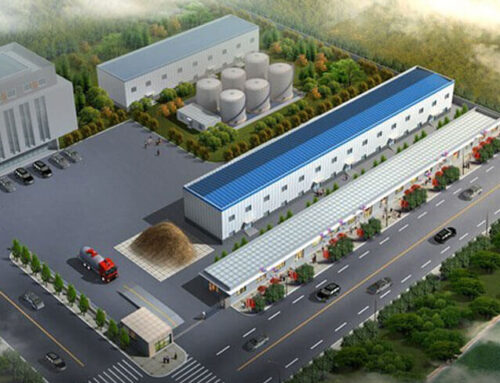
We customize flaxseed linseed oil production lines for customers to meet their capacities and social needs. No matter small oil mill plants or large linseed oil process plants, we have the right solution for you.
Small-Scale Flaxseed Linseed Oil Plants: 1-10 TPD, suitable for small businesses and local markets.
Medium-Scale Flaxseed Linseed Oil Plants: 10-50 TPD, ideal for regional markets.
Large-Scale Flaxseed Linseed Oil Plants: 50+ TPD, designed for industrial-scale flaxseed oil production.

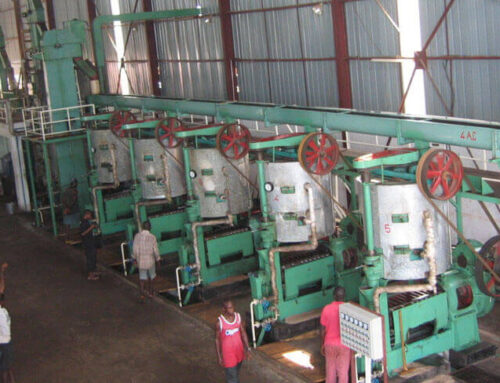
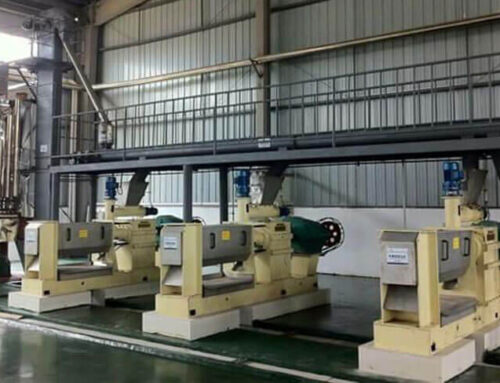
Small Flaxseed Linseed Oil Production Line
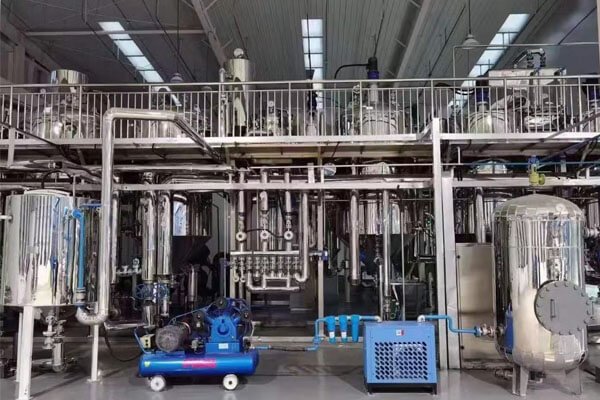
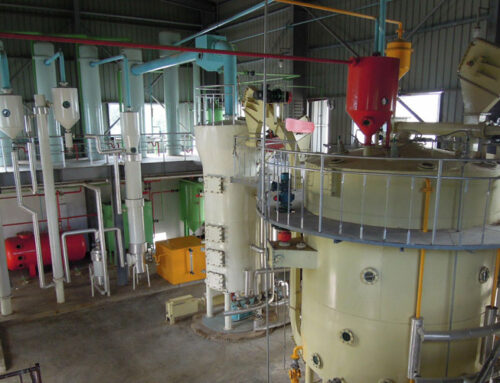
Large Flaxseed Linseed Oil Production Line
Flaxseed Linseed Oil Production Line Equipment
Flax Seed Cleaning Machines: Ensure high purity of raw material.
Flaxseed Crushing/Dehulling Machines: Optional for higher oil yield.
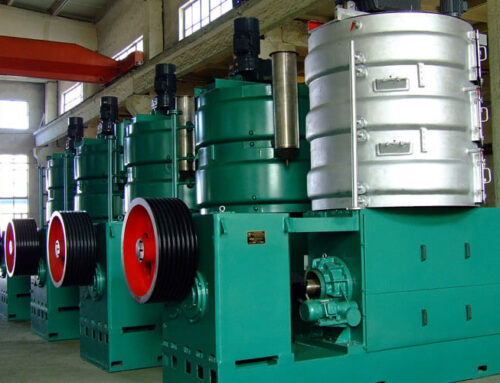
Oil Press Machines: Cold or hot screw press machines.
Solvent Extraction Units: For large-scale flaxseed oil processing plants.
Oil Filtration Systems: Plate and leaf filters for crude oil purification.
Crud Oil Refining Systems: Batch or continuous refining systems.

Comprehensive Services
Turnkey Solutions: From plant design to installation and training.
Installation Support: Professional teams for plant installation and commissioning.
Operator Training: Training for efficient and safe operation of the plant.
Spare Parts Supply: Long-term availability of critical components.
Technical Assistance: Remote and onsite troubleshooting.
Upgrades Support: Continuous improvement and customization options to keep plants up-to-date.
INQUIRE NOW
Applications of Flaxseed Oil
Edible Use: As a healthful cooking oil. Salad dressings, cooking oil, and as an ingredient in nutritional.
Nutraceutical Industry: Capsules and softgels for Omega-3 supplementation.
Industrial Use: A base for paints, varnishes, wood treatments, and linoleum due to its drying properties.
Cosmetic Use: Used in moisturizers, shampoos, and anti-aging products due to its hydrating properties. As a natural ingredient in skin and hair care products.
Flaxseed Oil Byproducts: Oil Cake/Meal Rich in protein and used as animal feed. Can be further processed into protein concentrates for human consumption or industrial use. Hulls: Used as biomass fuel or in composting. May also be used as a raw material in fiberboard or paper production.

Step 1: Flaxseed Linseed Cleaning

Purpose: Remove impurities like dust, stones, metals, and other foreign materials to ensure a clean input material for processing.
Equipment Used: Vibrating screen, Magnetic separator, Destoner machine.
Due to the use of unique low-temperature flaxseed oil press technology, the requirements for raw materials are more stringent, so fresh and full linseed should be selected. Immature, damaged, mildewed, and aged seeds cannot be used to produce linseed oil. The cleaned flaxseed or linseed is dried for further pressing.
Step 2: Flaxseed Linseed Crushing And Soaking

Purpose: Crush the dried flax seeds to reduce seed size to facilitate oil extraction. The crushed flax seeds also need to be soaked to increase the oil yield. The soaking time is generally 20-30 minutes and the temperature is about 40°C.
Equipment Used: Linseed crushers.
Step 3: Flaxseed Linseed Oil Cold Pressing (Mechanical Pressing)
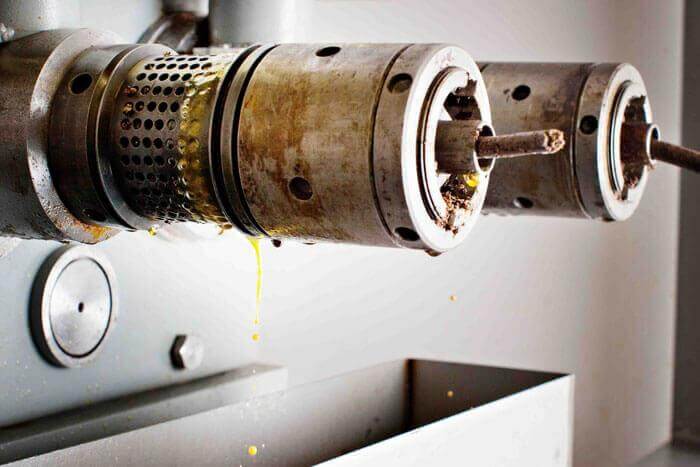
Purpose: The Cold Press Preserves the oil’s natural nutrients and flavor by avoiding high heat. Ensures the oil has a light color and a pleasant nutty aroma.
Oil Pressing Process: The seeds are mechanically pressed using screw presses at low temperatures. The soaked flaxseeds or linseeds are fed into screw oil press machines to get pressed. The pressure and temperature are controlled during the pressing process to avoid the loss of nutrients. After pressing, crude flaxseed oil or linseed oil is obtained, and residue is discharged.
Oil Press Equipment Used: Cold oil press machine
Oil Yield: Generally lower than solvent extraction but produces high-quality oil.
Step 4: Crude Oil Filtration
Purpose: Remove solid impurities and residues from the extracted flaxseed linseed oil.
Process: Filter the pressed linseed oil to remove impurities and residues. Adsorbents such as activated carbon are used to remove pigments and odors from the oil, to improve the flaxseed oil quality and taste.
Equipment Used: Plate filter press, Leaf filter, and Decolorization equipment.

Step 5: Flaxseed Linseed Oil Refining And Packaging

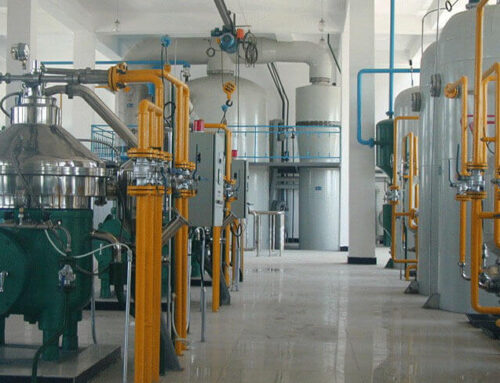
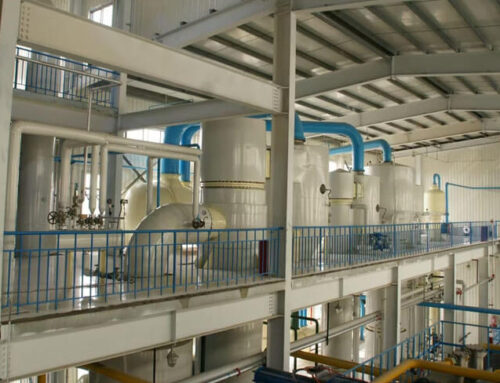
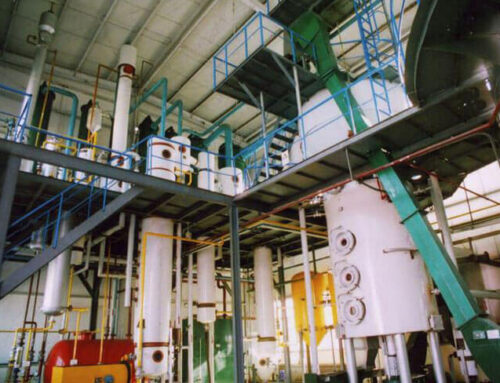
Flaxseed Crude Oil Refining Plant
After filtering and decolorizing, flaxseed oil is transferred to the oil refining plant to remove odors and impurities, to improve the flaxseed oil quality and shelf life. Refined flaxseed oil is packaged directly to keep its quality.
Flaxseed Oil Storage Guidelines
Store in a cool, dark, and airtight environment to prevent light, heat, and oxygen exposure. Temperature-controlled storage tanks are needed for large-scale Flaxseed Linseed Oil production plants.
Market Trends and Demand for Flaxseed and Linseed Oil
15 TPD Linseed Oil Semi-continuous Refining Plant
Growing Health Awareness: Flaxseed and linseed oil is increasingly popular in health-conscious markets due to its high Omega-3 content.
Value-Added Products: Blended Oils, Mixing flaxseed or linseed oil with other high-value oils (e.g., hempseed or chia seed oil) for specialty products. Encapsulated Oils, Creating soft gels or capsules for supplements.
Organic and Non-GMO Products: Demand for organic flaxseed linseed oil is rising, especially in North America and Europe.
Cosmetic Industry Boom: Flaxseed oil’s hydrating and anti-inflammatory properties make it a sought-after ingredient in skincare and haircare products.
Industrial Applications: Flaxseed Oil drying properties are valuable in paint, varnish, and linoleum manufacturing.
Case Studies and Success Stories
Small-Scale Flaxseed Oil Plant
Location: Rural Canada.
Output: 5 TPD.
Highlight: Supplied to local health food stores as cold-pressed, organic flaxseed oil.
Large-Scale Flaxseed Oil Plant
Location: India.
Output: 200 TPD.
Highlight: Dual production of edible oil and industrial-grade oil.