Coconut Copra Oil Production Line Overview
Mechanical oil pressing is adopted to extract coconut oil from dried coconut pulp (copra) by screw oil press machines. We offer 1 TPD – 1000 TPD coconut oil press plant and 1 TPD – 600 TPD coconut oil refiner plant. Twice-pressing technology is used to minimize oil loss. Customizable coconut oil production lines meet your special needs. We also supply coconut solvent extraction units to maximize the oil yield, which can reduce the residual oil in the cake to less than 0.8%.

One thousand mature coconuts weighing approximately 1,440 kilograms (3,170 lb) yield around 170 kilograms (370 lb) of copra from which around 70 liters (15 imp gal) of coconut oil can be extracted. The coconut cake meals can be used as animal feed.

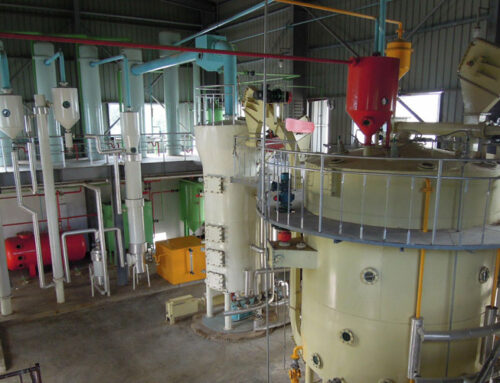
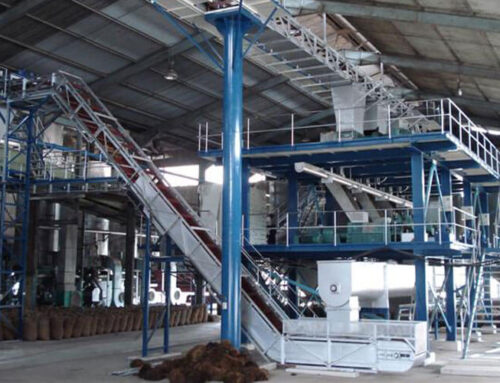
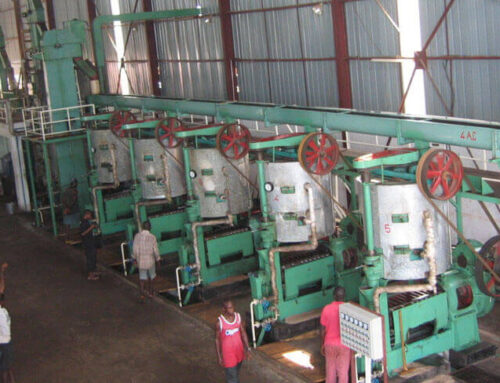
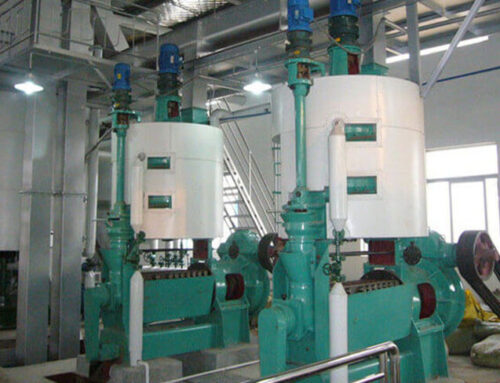
Large Coconut Copra Oil Production Line

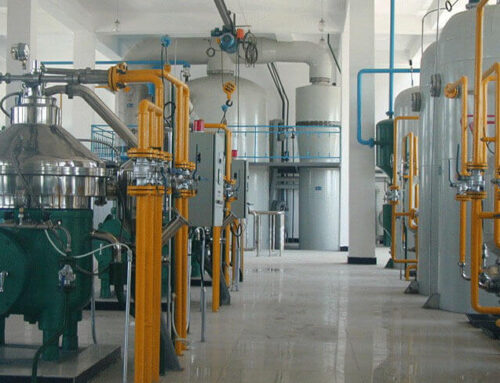
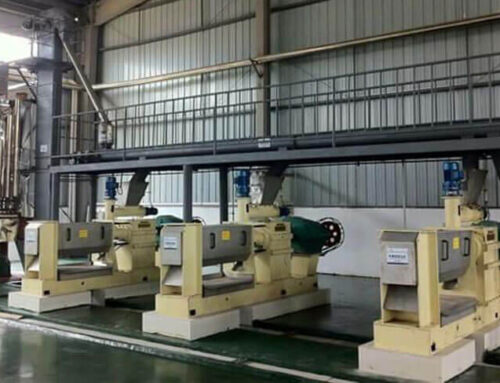
Small Coconut Copra Oil Production Line
CONTACT US FOR A FREE QUOTE NOW
Our Coconut Copra Oil Extraction Projects
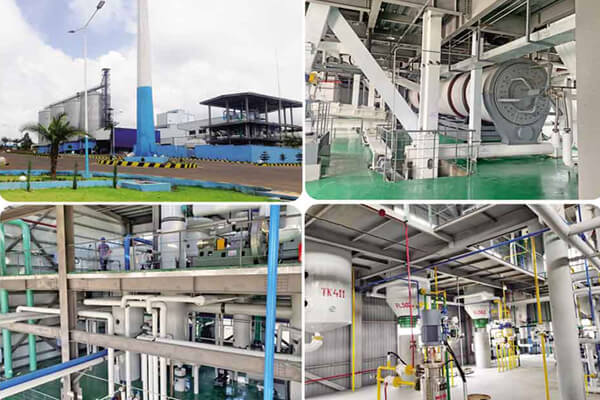
50 TPD Copra Oil Extraction Project In Thailand
150 TPD Copra Oil Extraction Project In Thailand
Coconut Oil Extraction Methods
Coconut Oil Production Line Process

The complete coconut oil processing line mainly includes 3 steps: coconut pretreatment, coconut oil pressing, and coconut oil refining.
Coconut Pretreatment Section: Dried Coconut (the moisture content is 7%-10%) → Cleaning → Crushing
Coconut Oil Extraction Section: Pre-Pressing → Second Pressing → Crude Oil
Coconut Oil Refining Section: Crude Coconut Oil → Filtration → Phosphoric Acid Degumming → Deacidification → Decolorization → Deodorization → Refined Oil
Equipment Used in Coconut Oil Production Line
We customize our coconut copra oil production lines according to customer-specific needs to meet various capabilities and process requirements.
Coconut Husk Removal Machine: Used to remove the outer husk of the coconut.
Coconut Shelling and Breaking Machines: Cracks open the coconut to separate the meat from the shell.
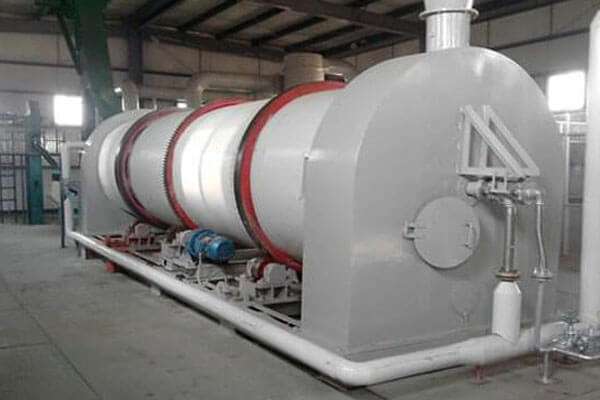
Coconut Drying Equipment: Copra dryers or rotary dryers are used to dry the coconut meat to reduce moisture in the coconut meat.
Copra Crushing Machines: Used to crush the Copra into smaller pieces.
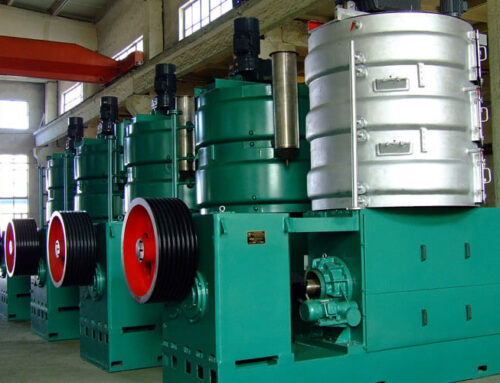
Screw Oil Press (for mechanical extraction): Extracts oil from copra. or use cold oil press machines to extract oil from fresh coconut.
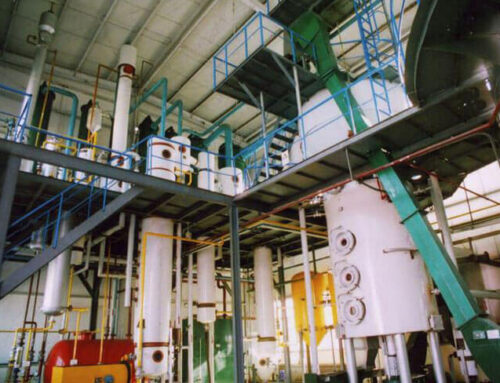
Solvent Extraction System (for large-scale): For extracting oil using solvent (hexane) from the pressed copra cakes. Includes the extractor, desolventizer, and solvent recovery system.
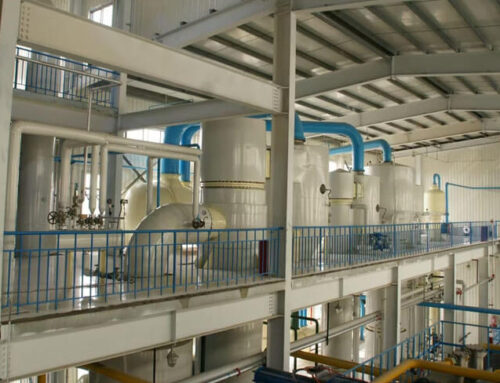
Copra Oil Refining Equipment: Includes degumming tanks, neutralizing units, bleaching units, deodorizing units, and filtration systems.
Copra Oil Filling and Packaging Machines: Automated machines for bottling, capping, labeling, and packaging the coconut oil.
Coconut Preprocessing
Coconut Husk Removal: The first step in the coconut oil production line is removing the outer husk (shell) from the coconut. This can be done using specialized husk peeling machines.
Coconut Meat Extraction: After husking, the coconut is split open, and the meat is extracted from the shell. The inner coconut meat is called copra when dried and is the key material for oil extraction. Machines such as coconut breaking machines or copra cutters are used to efficiently crack open the coconuts.

Copra Preparation
Coconut Drying (Copra Preparation): The coconut meat is dried to create copra (dried coconut meat). Drying is essential for the extraction process as it reduces the moisture content of the coconut (the moisture content is 7%-10%), ensuring better oil yield and longer shelf life. The rotary copra dryer is used in large-scale copra oil production lines for its efficient and continuous drying capabilities. The dryers use heat to evaporate the moisture from the grated coconut meat. The temperature is carefully controlled to ensure good drying results.
Copra Crushing: The Copra is then crushed into fine particles using a coconut-crushing machine. This increases the surface area of the coconut for better oil extraction.

Copra Cooking Softening
The crushed copra is sent to a steam cooker, which cooks the copra to adjust the moisture and temperature and make it soft for better oil extraction. The steamer uses stirring blades to cook evenly.
Copra Oil Pressing
Since the oil content of copra is as high as 52-72%, twice-pressing technology is used to extract coconut oil as much as possible.
The cooked copra is fed into the screw oil press machine by elevator. The copra oil press machine can extract about 70% of the oil content. The pre-pressed copra cake is sent to the twice oil pressing machine and pressed again to reduce the residual oil in the cake to the minimum. The residual oil rate in the cake after twice pressing is around 5%. The copra oil is then filtered by an oil filter to lower the impurity content, and then pumped into crude oil tanks, making it a good preparation for copra oil refining.

Copra Oil Cold Pressing
Cold Press Expeller Machine: This oil press machine is equipped with a screw press and high-pressure system to extract the oil mechanically from copra or grated coconut. The oil is then filtered to remove any impurities.
The Benefits of Coconut Oil Cold Pressing
Preservation of Nutrients: It retains most of the natural flavors, aroma, and nutrients of the coconut oil, making it ideal for virgin coconut oil production.
Minimal Heat Exposure: Cold pressing does not involve excessive heat, preserving the integrity of heat-sensitive compounds in the oil, such as antioxidants.

Solvent Extraction
For larger coconut oil production plants, solvent extraction is used to extract oil from copra, especially when higher yields are desired. The method uses a solvent (typically hexane) to dissolve the oil, leaving behind the defatted meal (copra cake).
The steps in the solvent extraction process:
Flaking: The dried copra is flaked into thin layers using copra flaking machines to increase the surface area for solvent penetration.
Solvent Extraction: The flaked copra is placed into a solvent extractor, where hexane is circulated through the copra. The solvent dissolves the oil, creating a mixture known as miscella (oil-solvent mixture).
Desolventizing: After extraction, the miscella is heated in a desolventizer-toaster to remove the solvent, which is then recovered for reuse.
Oil Recovery: The remaining oil is separated from the solvent, and the extracted coconut oil is collected. The residual defatted meal (copra cake) can be used as animal feed.

Crude Copra Oil Refining

The crude coconut oil obtained after extraction may contain impurities, including free fatty acids (FFAs), pigments, and odors. Coconut oil refining is mainly done by the physical refining process, which can be efficiently deodorized and further contribute to the improvement of oil quality by removing impurities, odor, and free fatty acids.
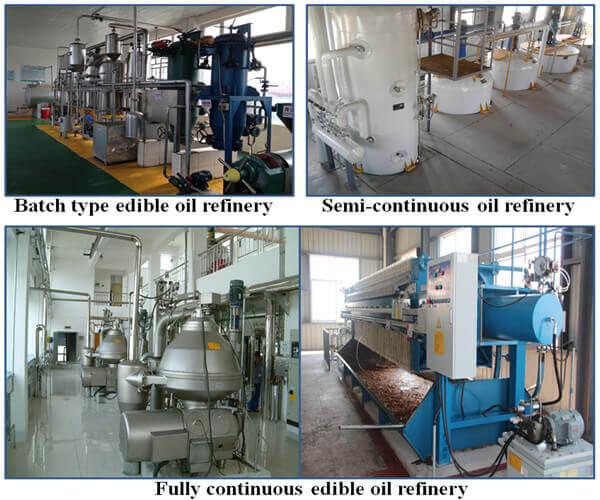
According to different production requirements, there are three kinds of coconut oil refining processes:
1. Batch refining (1-20 TPD).
2. Semi-continuous refining(20-50 TPD).
3. Fully continuous refining(50-600 TPD).
We customized designed the Copra oil refining plant according to your requests.