Camellia Seed Oil Production Line Overview
Camellia oil, also known as tea seed oil, is a high-quality edible oil derived from the seeds of the Camellia plant, particularly Camellia oleifera, Camellia sinensis, and other related species. Camellia oil is well-known for its rich content of monounsaturated fats, antioxidants, and vitamins, making it highly sought after in both culinary and cosmetic applications. Producing camellia seed oil involves several stages: camellia seed preparation, camellia seed oil extraction, refining, and packaging.

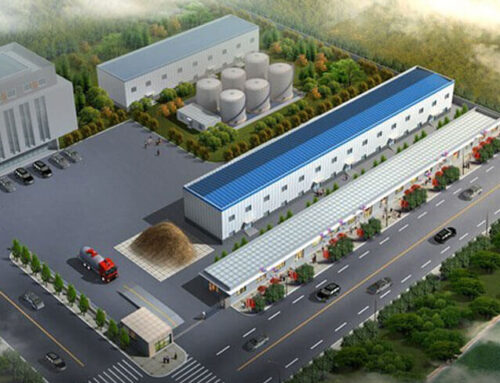
We provide complete camellia seed preparation and extraction projects with capacities ranging from 1TPD to 500 TPD and camellia seed oil refinery plants ranging from 1TPD to 300 TPD. Our team offers comprehensive solutions, from plant design to installation, and ongoing support to ensure the success of your camellia seed oil production. Contact us today for a free consultation.
Advantages of Our Camellia Seed Oil Production Line
High-Quality Camellia Seed Oil: The production process ensures the camellia seed oil retains its natural properties, rich flavor, and health benefits.
Efficiency Oil Production: Advanced oil extraction technologies provide higher yields and better oil recovery.
Scalability: Customized Camellia seed oil production lines for small and large-scale Camellia seed oil production plants.
Customizable: The process flow can be customized based on the capacity and the specific requirements, whether focusing on high-quality cold-pressed oil or maximizing yields with solvent extraction.
Versatility: Camellia seed oil has wide applications in cooking, cosmetics, pharmaceuticals, and industrial uses, making the production line versatile.

CONTACT US FOR A FREE QUOTE NOW
Key Equipment Used in Camellia Seed Oil Plants
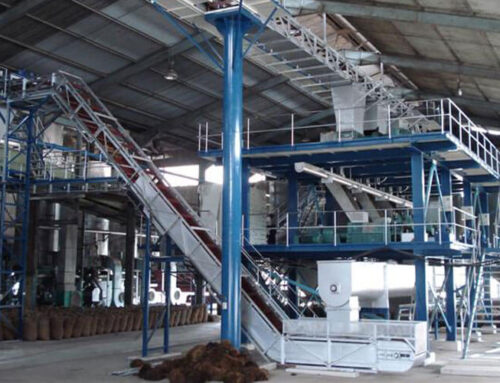
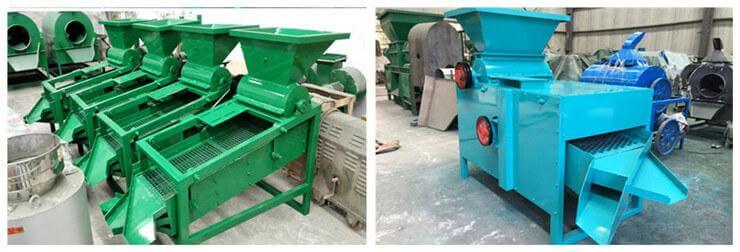
Camellia Seed Cleaning Machines: Vibrating sieves, magnetic separators, and destoners for removing dirt and foreign objects from camellia seeds.
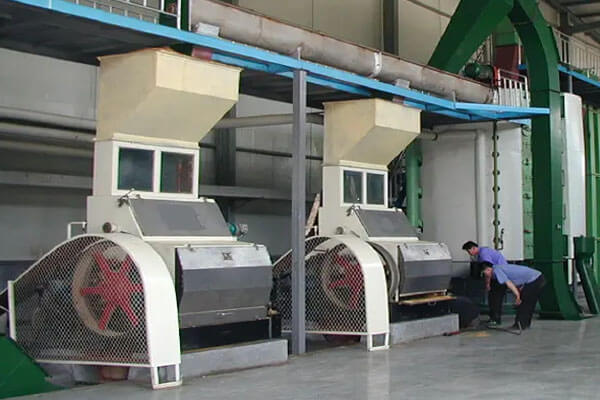
Camellia Seed Crushing and Flaking Machines: Hammer mills and flakers for crushing and flaking the camellia seeds.
Camellia Seed Cooking Machines: Vertical cookers or steam cookers are used for cooking and conditioning the camellia seeds.
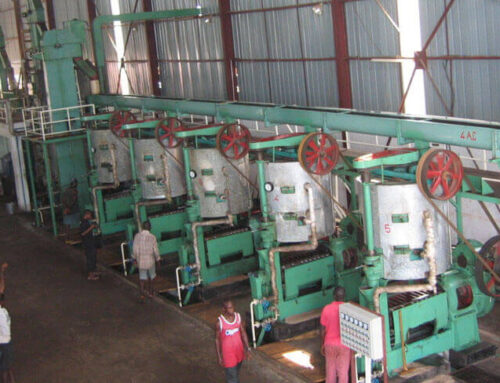
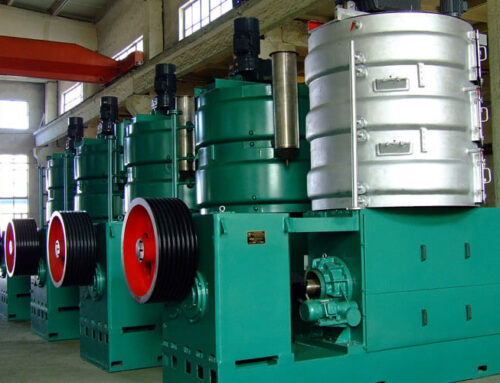
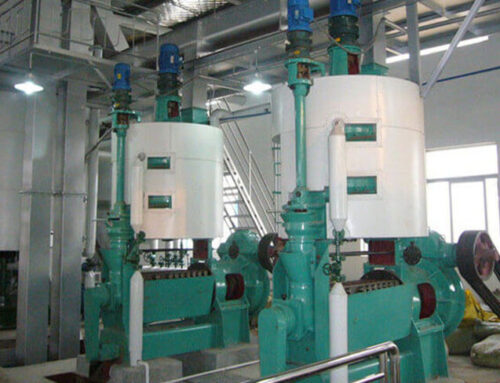
Camellia Seed Oil Pressing Machines: Screw oil presses or hydraulic oil presses for extracting camellia oil mechanically.
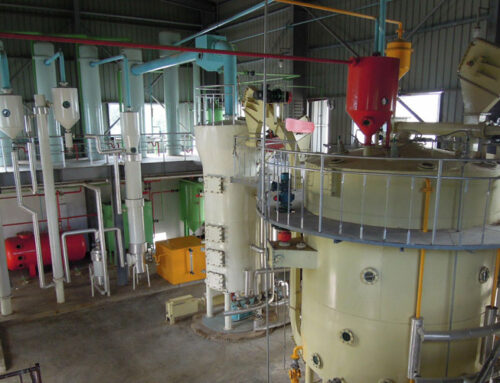
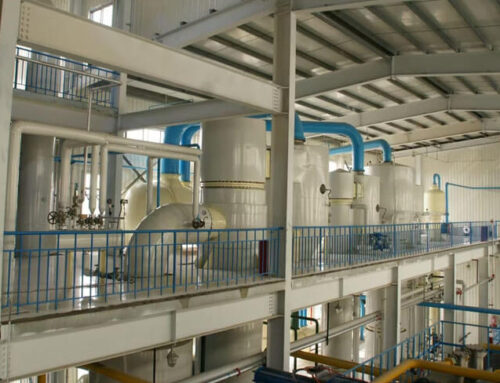
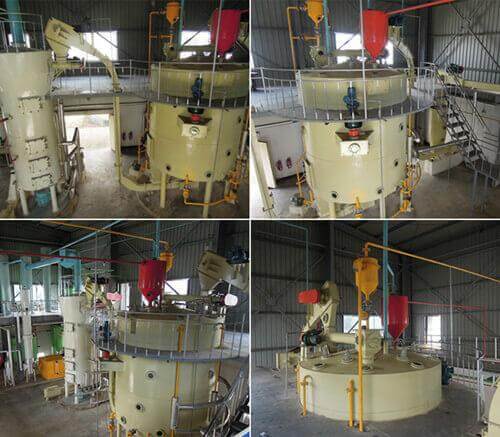
Solvent Extraction Units: Solvent extractors, desolventizers, and evaporators for larger-scale camellia oil extraction.
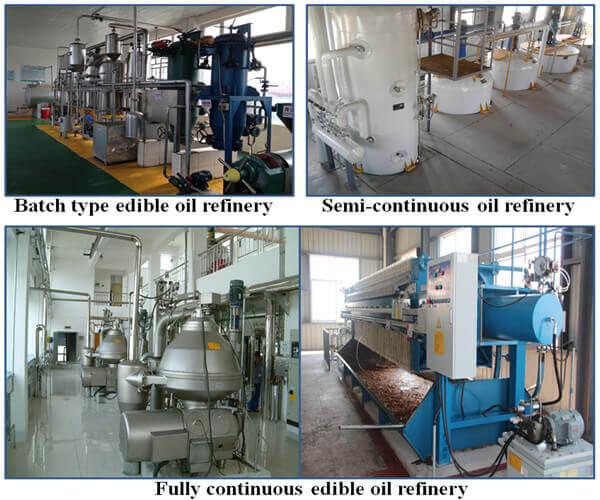
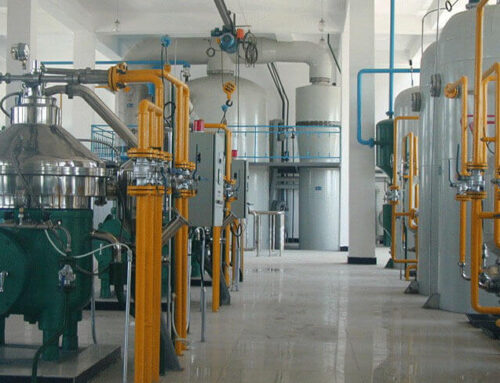
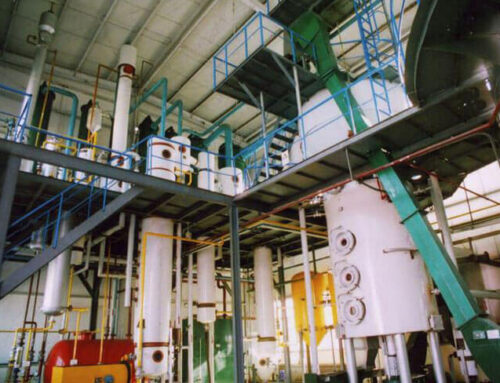
Camellia Oil Refining Equipment: Degumming tanks, neutralizing tanks, bleaching columns, deodorizing towers, and winterization units for refining crude camellia oil.
Packaging Equipment: Automated filling machines, sealing machines, and labeling machines for packaging the finished camellia oil.

Camellia Seeds Oil Extraction Methods
Camellia seeds contain a significant amount of oil. The oil can be extracted through mechanical pressing or solvent extraction, depending on the production scale and desired yield.

Mechanical Pressing
Mechanical pressing uses screw presses to extract oil from the camellia seeds. This method is more common in small to medium-scale camellia seed oil production due to its simplicity and higher-quality oil.
Process: The camellia seeds are fed into the screw press, where the mechanical screw mechanism presses them to expel the oil. The remaining seed cake can be used as animal feed or processed further for other products.
Advantages:
Natural Oil: Mechanical pressing retains most of the natural flavor, color, and aroma.
Minimal Chemical Use: There is no solvent used in mechanical pressing, making it an environmentally friendly option.
Suitable for Small to Medium Scales: Ideal for smaller production facilities where quality is more important than oil yield.

Solvent Extraction
In large-scale camellia seed oil production lines, solvent extraction is used to maximize oil extraction and achieve higher yields. The camellia seed cakes that remain after mechanical pressing are subjected to solvent extraction.
Process: The seed cakes are mixed with a solvent (usually hexane) in an extractor. The solvent dissolves the remaining oil from the cake, and then the oil-solvent mixture (miscella) is separated. The solvent is evaporated, and the crude camellia seed oil is obtained. The solvent is recovered through condensation and re-used in the process.
Advantages:
Higher Yield: Solvent extraction achieves up to 98% oil recovery.
Large Capacity: Ideal for large-scale production with a focus on maximizing output.
Efficiency: This method is particularly suited for oilseeds with lower oil content.
1. Camellia Seed Preprocessing

Camellia Seed Cleaning
The first step in the camellia oil production line involves cleaning the camellia seeds to remove dirt, stones, dust, and other foreign materials. This ensures that the oil produced is pure and of high quality.
Equipment Used: Vibrating sieves, magnetic separators, and destoners.
Camellia Seed Drying
Fresh camellia seeds contain moisture that can reduce oil extraction efficiency and cause microbial growth. To optimize oil extraction, seeds are dried to a moisture content of around 8-10%.
Equipment Used: Rotary dryers, hot air dryers.

Camellia Seed Shelling (Optional)
Although camellia seeds are typically used with their shells, shelling can be done to separate the seed kernels from the hard outer shells. This is especially useful when the seeds have a high oil content and mechanical pressing is used as the extraction method.
Equipment Used: Seed shellers, cracking machines.
2. Camellia Seed Crushing and Flaking

Camellia Seed Crushing
The dried camellia seeds or seed kernels are crushed to reduce their size and improve the surface area for the oil extraction process. This step also helps in softening the cell structure, making the extraction process more efficient.
Equipment Used: Hammer mills, crushers.
Camellia Seed Flaking
Flaking involves pressing the crushed camellia seeds through rollers to form thin flakes. This is an essential step to improve the oil extraction efficiency, as it increases the contact surface for pressing or solvent extraction.
Equipment Used: Flaking rollers.
3. Camellia Seed Cooking

The flaked camellia seeds are then cooked to adjust the moisture and temperature levels. Cooking the seeds makes it easier to extract the oil by softening the oil cells and ensuring proper consistency for further extraction.
Temperature: Around 100-110°C.
Moisture: Approximately 5-7% moisture content.
Equipment Used: Vertical cooker, steam-jacketed kettles, or direct steam cookers.
4. Camellia Seed Oil Extraction
At this stage, the oil is extracted from the camellia seed cake. There are two main methods for oil extraction: mechanical pressing and solvent extraction.

Camellia Seed Oil Mechanical Pressing
Mechanical pressing is often used for small to medium-scale camellia seed oil production, as it retains more of the oil’s natural flavor, aroma, and nutrients. The seeds or flakes are passed through a screw press or hydraulic press to extract the oil.
Equipment Used: Screw oil press, hydraulic oil press.
Camellia Seed Oil Solvent Extraction
For large-scale camellia seed oil production, solvent extraction is used to achieve higher oil yields. In this process, the cake after pressing is treated with a solvent (usually hexane) to dissolve the remaining oil. The oil-solvent mixture (miscella) is then separated, and the solvent is evaporated.
Extracting: The seed cake is soaked in the solvent in an extractor.
Desolventizing: The solvent is removed using heat, and the oil is separated.
Solvent Recovery: The solvent is recovered and recycled for reuse.
Equipment Used: Solvent extractor, desolventizer, miscella evaporator, solvent recovery system.

5. Camellia Seed Oil Refining Plant
Crude camellia oil is obtained from pressing or solvent extraction, and it contains impurities such as free fatty acids (FFAs), gums, color pigments, and odors. Refining is necessary to improve the oil’s quality, stability, and flavor.
Degumming
This step removes phospholipids (gums) and other impurities that are soluble in water. These gums can cause cloudiness or promote oxidation of the oil. Degumming is usually done by treating the oil with water or phosphoric acid.
Equipment Used: Degumming tanks with agitators.
Neutralization (Deacidification)
Free fatty acids (FFAs) in the crude oil are neutralized by reacting with an alkaline solution, such as sodium hydroxide. This step is essential for removing acidic components and improving the oil’s shelf life.
Equipment Used: Neutralizing tank.
Bleaching
This step involves removing pigments, such as chlorophyll and carotenoids, that affect the color of the oil. Activated clay or bleaching earth is used to absorb these pigments, making the oil clear and colorless.
Equipment Used: Bleaching tanks or columns.
Deodorization
Deodorization is the process of removing volatile compounds that cause unpleasant odors. This is typically done by steam distillation under vacuum, which also helps to reduce the oil’s pungent taste and improve its aroma.
Equipment Used: Deodorizer column or deodorizing tower.
Winterization (Optional)
Winterization is a process where high-melting point waxes and solid fats are removed to ensure the oil remains liquid at lower temperatures. This is essential for oils that may solidify in cold storage or during transportation.
Equipment Used: Winterization unit or filter.